
Independent web design studio
Websites thatlook consideredand work hard.
Desiglory Studio designs and builds clean, modern, user-friendly websites for businesses, entrepreneurs and freelancers — quick to load, simple to run, and unmistakably yours.
Working
Remotely, across Europe
Now booking
New projects
What I do
Four ways
to work together
Most projects start as one of these. If yours sits somewhere in between, say so — the shape of the work should follow the problem, not a price list.
Full services & pricingWebsite design
A site shaped around what your visitors actually need to do — clear structure, considered typography, and a look that fits your business rather than a template.
Design & build
Design and development handled end to end, so nothing gets lost between the mockup and the live site. You get a site you can update yourself.
Redesign & rescue
Already have a site that looks dated, loads slowly, or quietly loses you enquiries? I rework what is there instead of starting from nothing.
Landing pages
A single, focused page built for one job — a launch, a campaign, a service, an offer — written and designed to carry a visitor to one clear action.
Why this studio
Not just prettier.
Clearer.
Design with a reason
Every choice on the page answers a question: who is this for, what do they need next, and what should they do. Nothing is there to fill space.
Fast, accessible, solid
Built to load quickly on a phone, readable at any size, and usable with a keyboard or a screen reader. Good craft is invisible until it is missing.
Yours to run
You get a site you can actually edit — plain structure, clear labels, and a walkthrough at handover. No dependency, no locked doors.
How it goes
A calm,
predictable process
Four stages, each with something concrete for you to look at and approve. You will never be left wondering where the project stands.
Conversation
We talk about your business, your customers and what the site has to achieve. I ask more questions here than anywhere else.
Structure
Before any visuals: what pages exist, what each one says, and in what order. Agreeing this early is what keeps the project calm.
Design
You see real pages in a real browser, not a flat picture of a page. We refine together in rounds until it is right.
Build & launch
Development, testing across devices, speed and accessibility checks, then launch — and a handover so you know how to run it.
Selected work
Recent projects
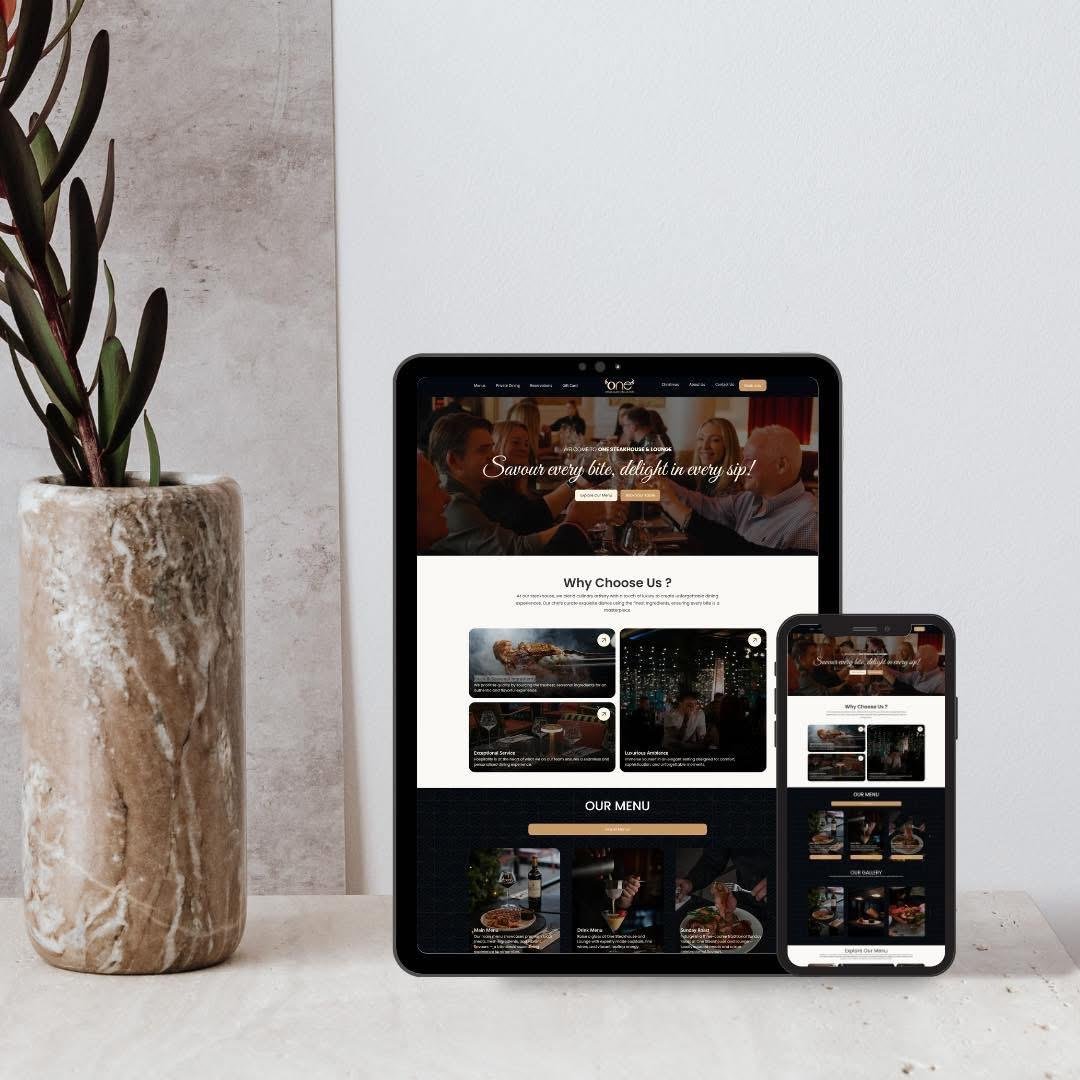
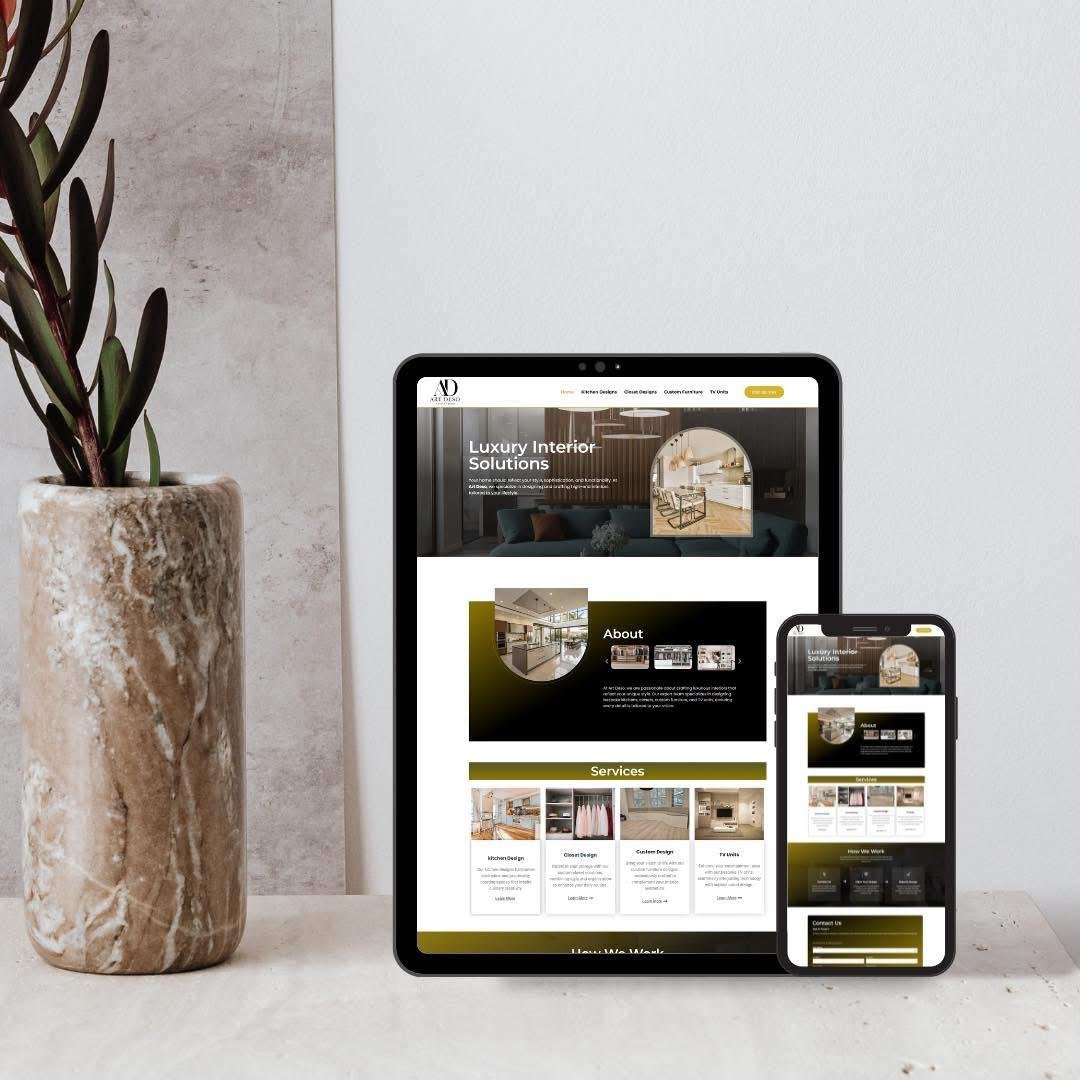
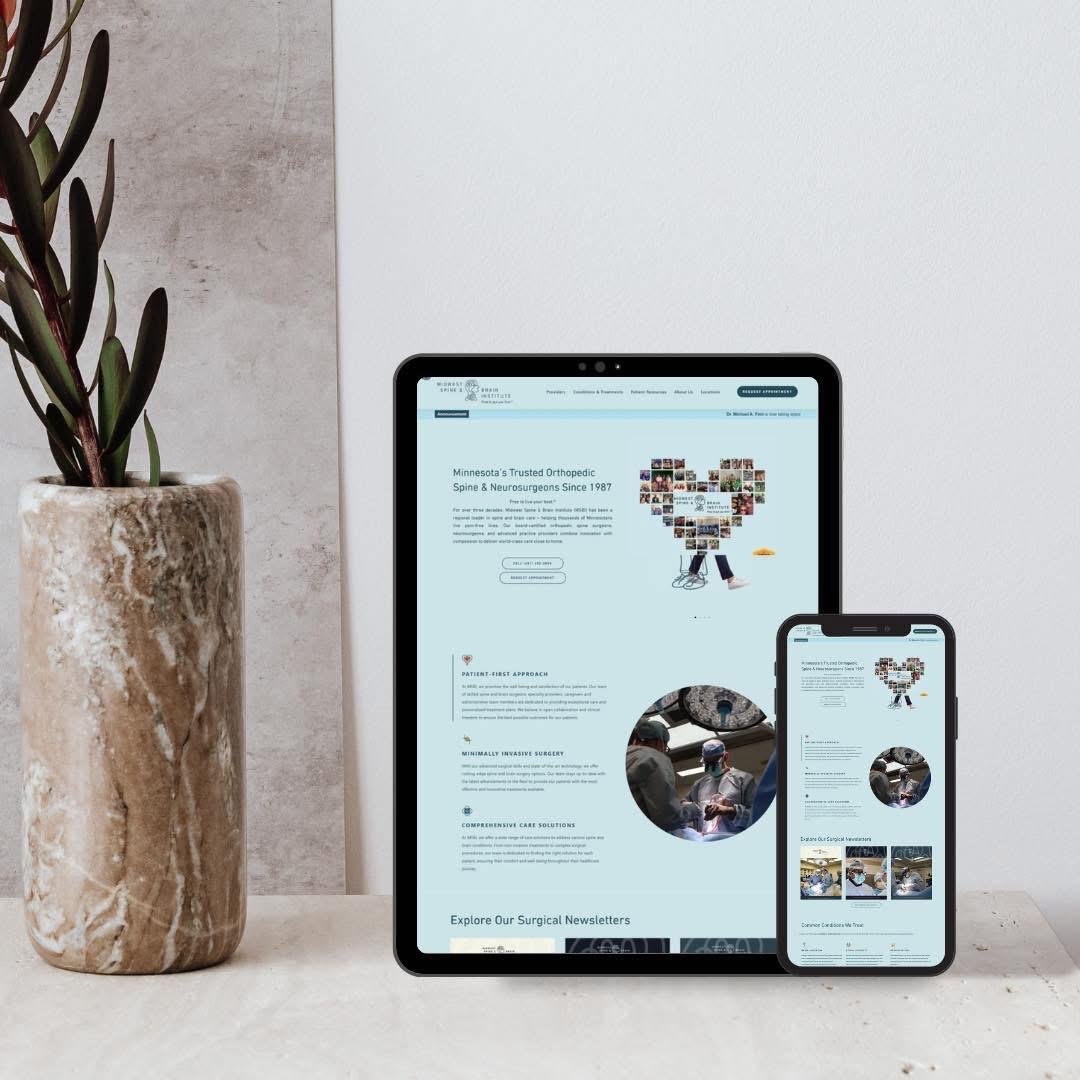
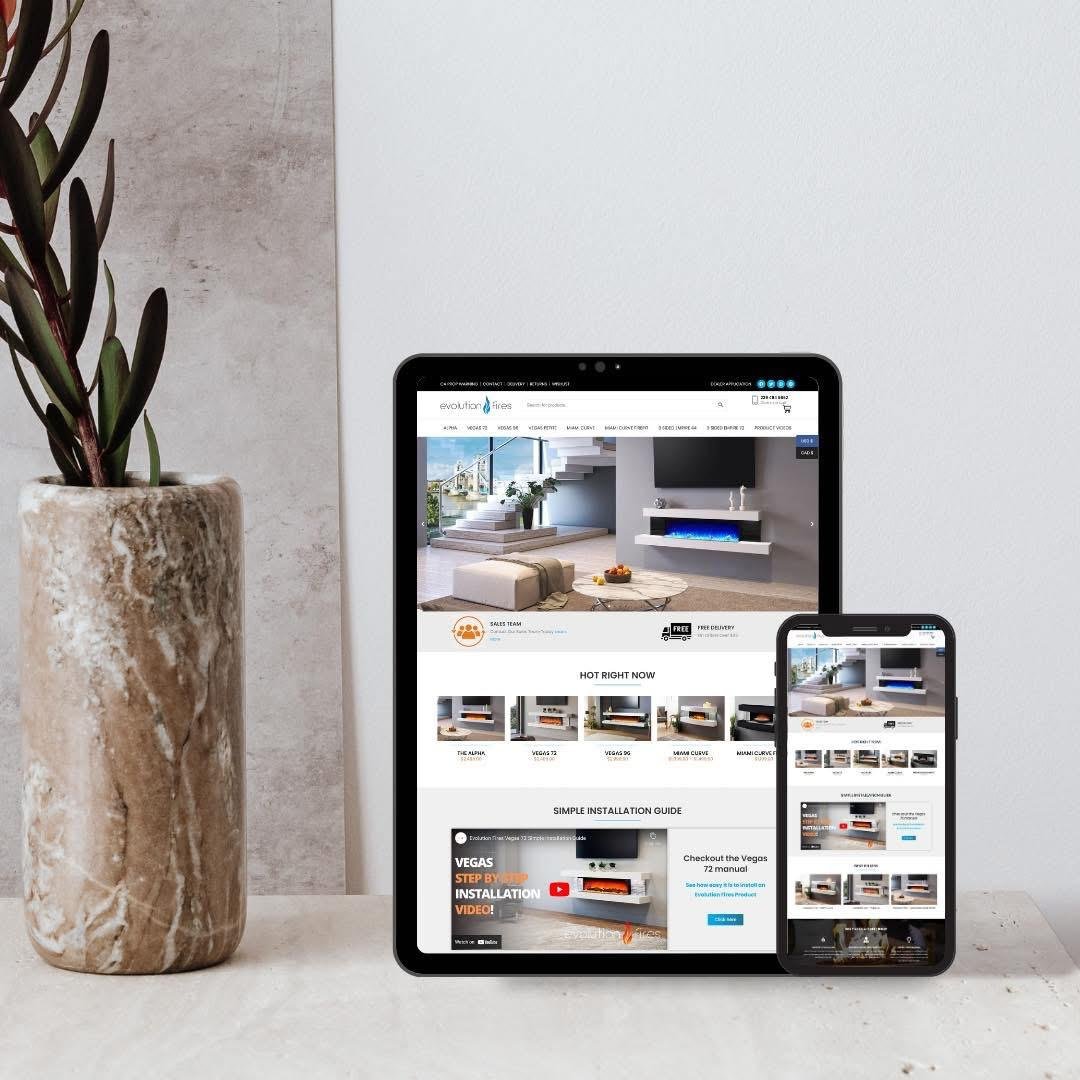
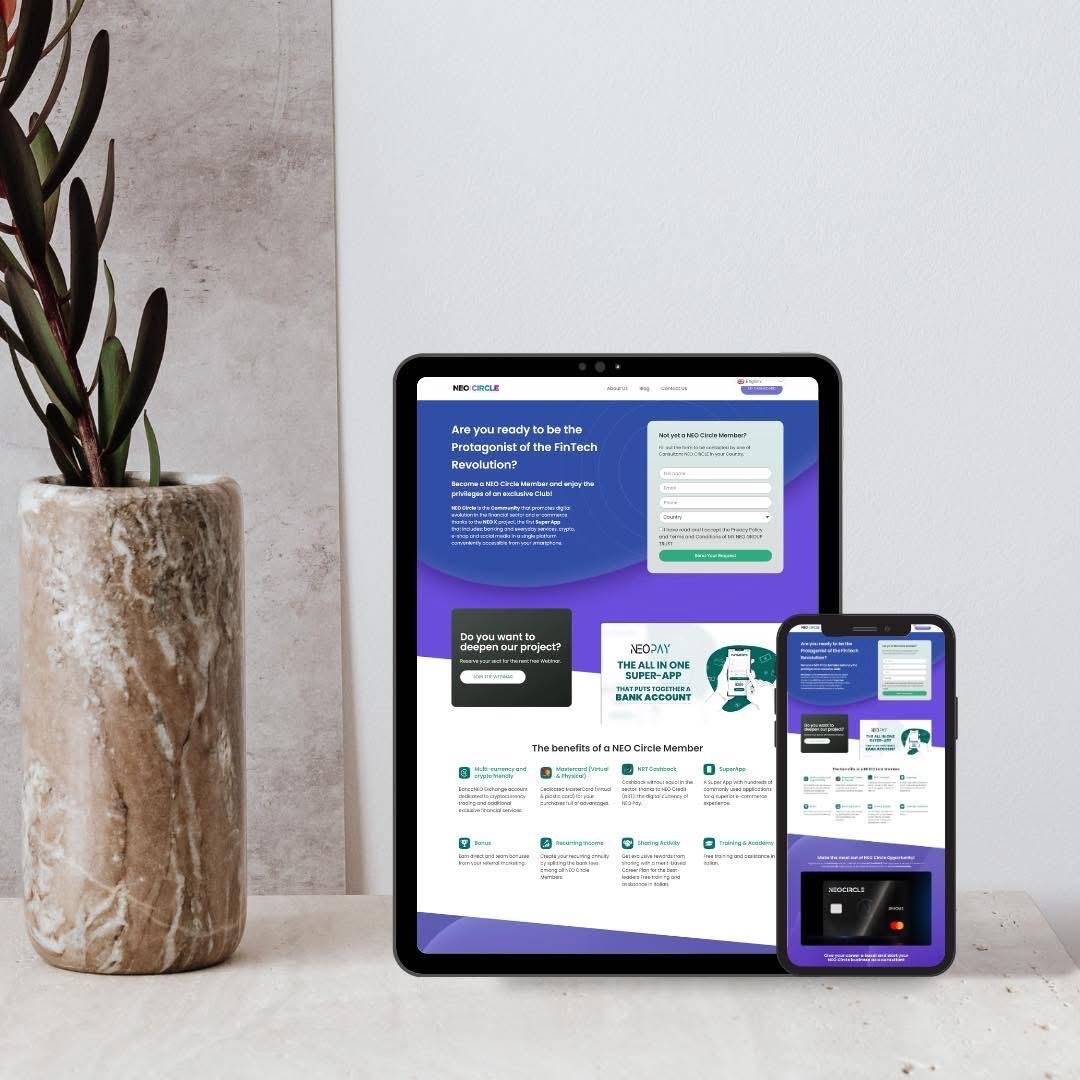
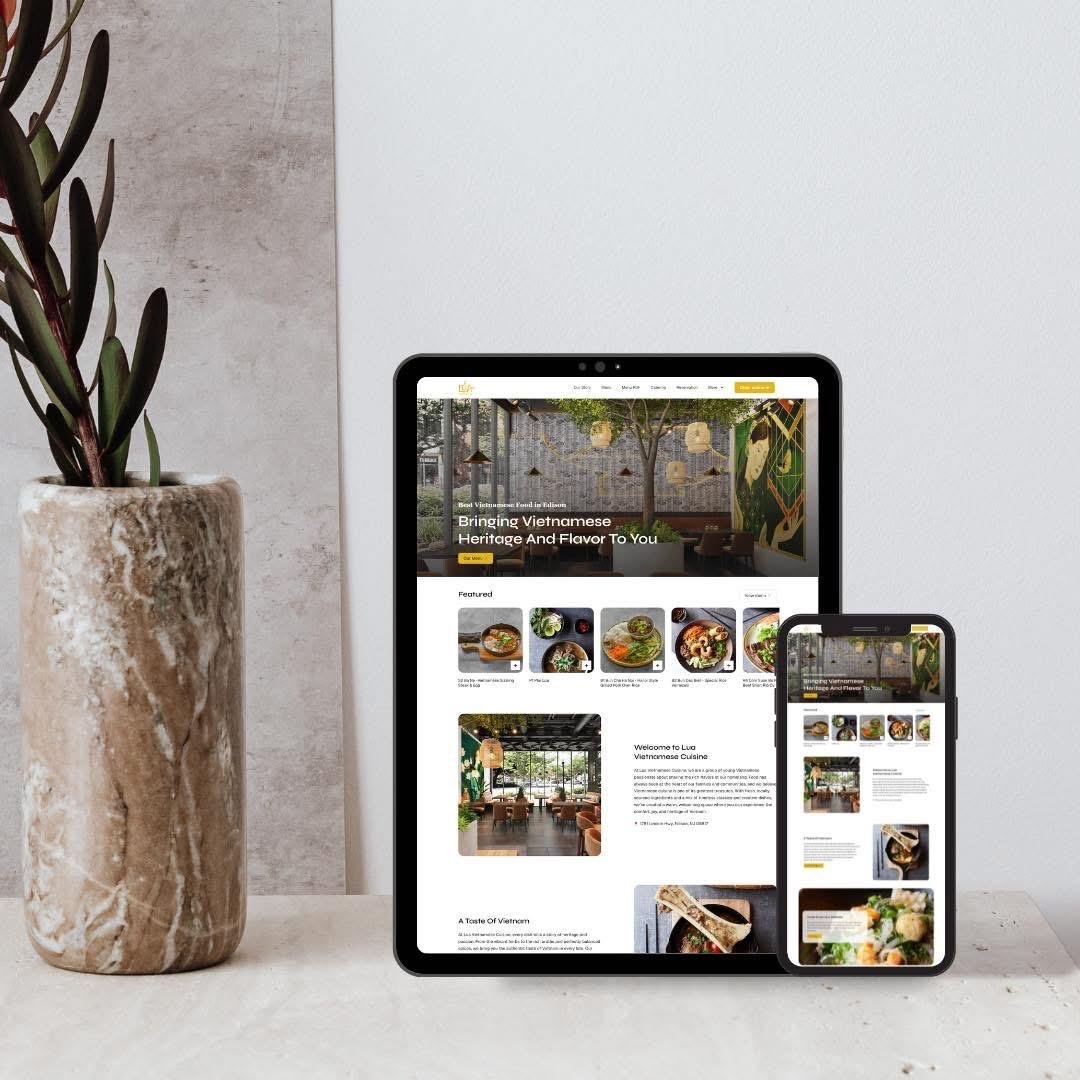
A selection of sites I have worked on — restaurants, retail, healthcare, interiors and finance. Each one designed to be fast, clear and simple for the owner to run.
Questions
Before you
get in touch
A focused landing page is usually a short project; a multi-page site with custom design takes longer, largely depending on how quickly content and feedback come back. I give you a schedule with dates before we start, and I keep you updated against it.
An honest conversation about your business and customers, any brand material you already have, and the text and photos for each page — or a decision to have help with those. Prompt feedback on each round matters more than anything else.
Yes, that is the point. Sites are built so you can change text, swap images and add pages without touching code, and I walk you through it at handover.
Then we start from what works. I review the current site, keep the parts that are earning their place, and rebuild the rest — usually faster and cheaper than starting from scratch.
Yes. The whole process runs over video calls, email and shared links, so where you are based makes no practical difference.
Let’s build something
worth visiting.
Tell me about your business and what the site needs to do. I’ll come back with an honest view of the work, a timeline and a price.
Start a project